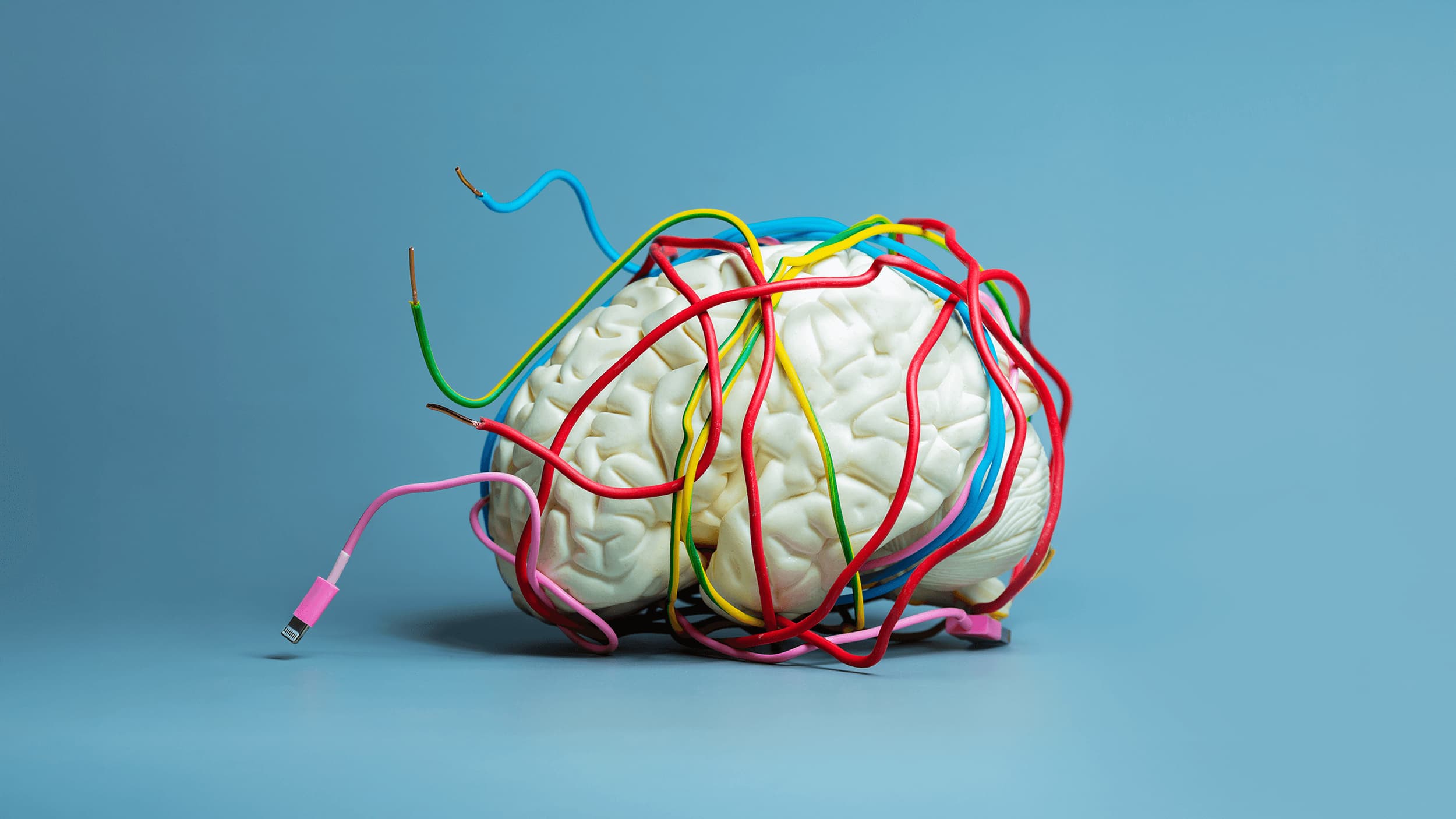
Rewiring Your Brain for Porn Addiction Recovery
Rewiring your brain for porn addiction recovery is not about willpower alone—it’s about understanding how habits form in the brain and using neuroplasticity to build healthier patterns. Porn addiction affects millions of people, often in silence, but the brain is remarkably adaptable and capable of long-term healing.
By learning how dopamine, habits, and emotional triggers interact, rewiring your brain for porn addiction recovery becomes a realistic and achievable process rather than a constant internal battle.
Understanding Porn Addiction and Neuroplasticity
Porn addiction develops through repeated stimulation of the brain’s reward system. Each viewing session releases dopamine, reinforcing neural pathways that associate porn with relief, pleasure, or escape.
Neuroplasticity—the brain’s ability to reorganize itself—allows these pathways to weaken when no longer reinforced. According to the National Center for Biotechnology Information (NCBI) , consistent behavior change leads to measurable neural restructuring over time.
This is the scientific foundation of rewiring your brain for porn addiction recovery.
The Cycle of Porn Addiction
- Trigger: Stress, boredom, loneliness, or emotional discomfort
- Craving: Dopamine-driven urge to escape or feel relief
- Compulsive Use: Automatic porn consumption
- Guilt and Shame: Emotional fallout that becomes the next trigger
Breaking this loop is essential when rewiring your brain for porn addiction recovery.
Step-by-Step Strategies to Rewire Your Brain
1. Shift From Guilt to Growth
Shame strengthens addiction pathways. Recovery improves when you replace guilt with curiosity and self-compassion. This mindset shift is foundational to rewiring your brain for porn addiction recovery.
2. Identify Emotional and Environmental Triggers
Tracking when urges appear reveals patterns. Awareness weakens automatic responses and allows conscious choice.
3. Replace Porn With Healthy Dopamine Sources
Exercise, creativity, learning, and social connection provide sustainable dopamine release. Replacing—not suppressing—behavior is key to rewiring your brain for porn addiction recovery.
For deeper insight into habit formation, see our article on how much porn is considered an addiction .
4. Build Accountability and Support
Recovery improves with connection. Support groups, therapy, or trusted friends reduce isolation and shame.
5. Practice Mindfulness and Urge Surfing
Mindfulness trains the brain to observe urges without acting on them. Over time, cravings lose intensity.
Psychologists at the American Psychological Association note that urge-surfing significantly reduces compulsive behaviors.
6. Create New Daily Routines
Consistency accelerates neuroplastic change. Structured routines reduce idle time and trigger exposure.
7. Set Digital Boundaries
Website blockers, device-free zones, and screen limits reduce friction and protect recovery.
8. Address Underlying Emotional Needs
Porn often masks deeper needs for connection, relief, or validation. Meeting these needs directly weakens addiction pathways.
You may also find value in understanding guilt and shame after sexual behavior .
9. Practice Self-Compassion and Track Progress
Progress reinforces motivation. Each small win strengthens new neural connections.
How Long Does Brain Rewiring Take?
While timelines vary, many people notice reduced cravings within 4–6 weeks. Long-term stability typically develops over several months. Consistency—not perfection—drives rewiring your brain for porn addiction recovery.
When to Seek Professional Help
If porn use continues despite repeated attempts to quit or causes emotional distress, professional support is recommended. Therapies such as CBT and sex therapy are evidence-based approaches for addiction recovery.
You may also benefit from reading how porn use can affect sexual performance and anxiety .
Conclusion
Rewiring your brain for porn addiction recovery is a process of patience, self-awareness, and intentional habit change. By leveraging neuroplasticity, replacing unhealthy patterns, and addressing emotional needs, lasting recovery is possible. Every step forward—no matter how small—strengthens healthier neural pathways and moves you closer to freedom and long-term well-being.